
Zhu Rongji, Architect of China’s WTO Entry, Dies at 97
Zhu Rongji, who helped turn China into a trading giant, has died at 97. He led China into the WTO and championed reforms that fuelled growth.
The update
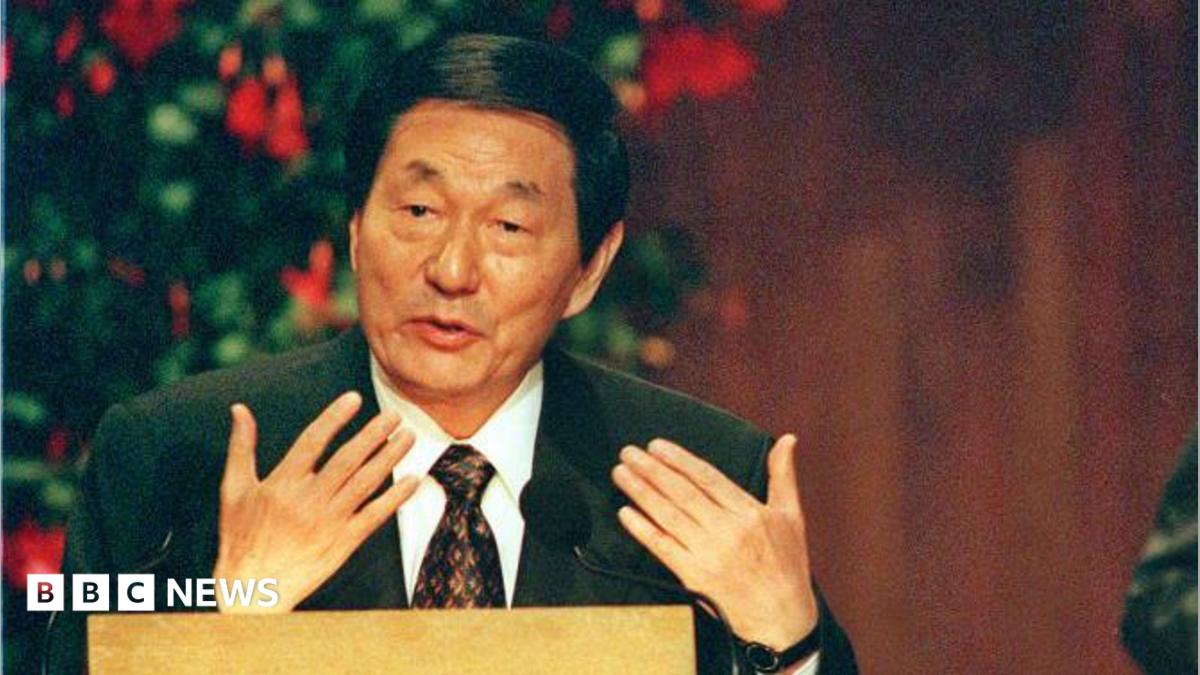
Former Chinese Premier Zhu Rongji, who spearheaded China’s entry into global trade and laid the foundation for its explosive growth, has died at the age of 97. He served in the country’s second-highest office from 1998 to 2003 and played a leading role in securing its entry into the World Trade Organization, opening Chinese factories to the international market and drawing foreign investment.
Why it matters
Zhu was one of the most important economic reformers who moved local tax powers to the central government, closed or privatised failing state firms and promoted home ownership. Under his leadership, which helped stabilise the economy and tackle corruption, China began transforming into a manufacturing powerhouse, leaving behind its status as a Communist outsider. Though he faced criticism because those reforms also led to 30 million lay-offs over five years, and with huge growth came more inequality.
What to watch
Observers will likely focus on how China’s current leadership honors his legacy and whether his reformist approach continues to influence economic policy. The long-term effects of the structural changes he initiated remain a subject of ongoing analysis. Readers should watch for official statements on his legacy and any shifts in economic policy that reference his tenure.
Sources
- bbc.co.uk — Premiership dates, WTO entry role, economic reforms (privatization, home ownership), quotes on corruption and the Yangtze River.
- nytimes.com — Role in transforming China into a leading manufacturing power and WTO entry leadership.