Ebola Outbreak in Congo Now Deadliest in History
The Democratic Republic of the Congo's Ebola outbreak is now the deadliest in its history, surpassing the 2018-2020 toll with over 2,300 deaths.
The update
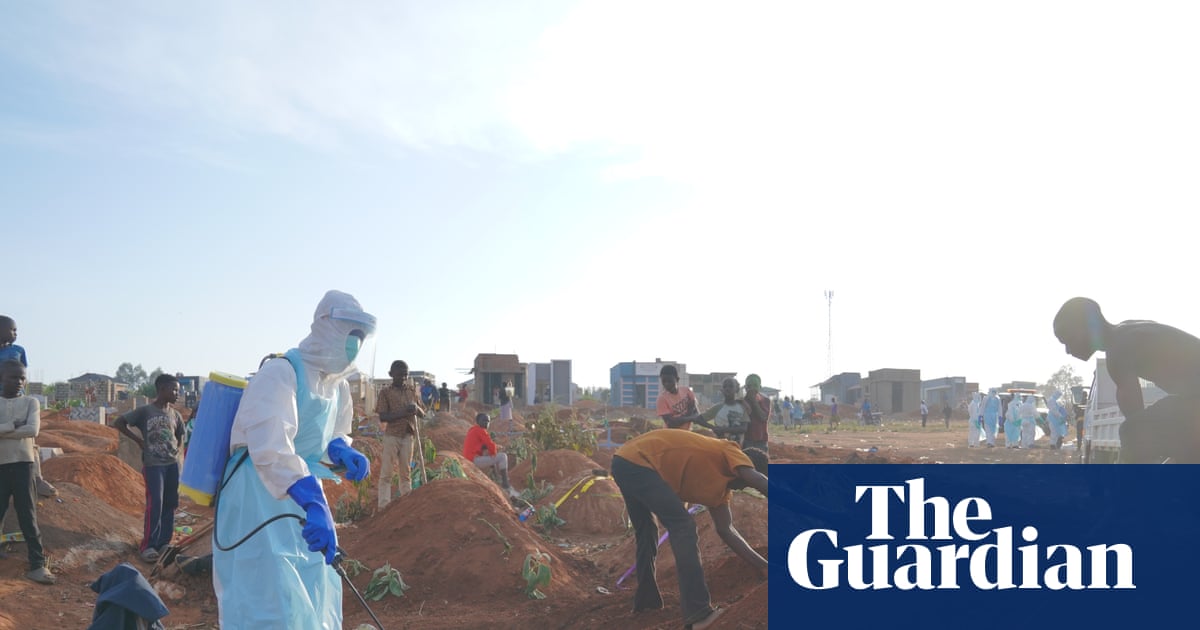
The Ebola outbreak in the Democratic Republic of the Congo has become the deadliest in the country’s history, surpassing the toll from the 2018-2020 outbreak. Official data shows at least 2,325 people have died, with confirmed cases rising to 4,945. This outbreak is the 17th in the DRC and is the fastest-growing in the virus’s known history. The World Health Organization has noted the epidemic is on track to surpass the 2014-16 West Africa outbreak as the largest in history.
Why it matters
The current surge is driven by the rare Bundibugyo strain of Ebola, for which no approved vaccines or specific treatments exist. Unlike previous outbreaks, this strain has proven difficult to contain due to delayed detection and community mistrust. Health workers report that many cases are identified late, when treatment is less effective. The situation is further complicated by armed conflict in the affected regions, which hampers access and containment efforts.
What to watch
Containment efforts are currently relying on early detection, infection-prevention measures, and community engagement. Clinical trials for two possible treatments for the Bundibugyo strain have begun, but their efficacy remains unproven. The UN has stated that Ebola ‘is winning’ in the Democratic Republic of the Congo, with the epidemic killing one person every 30 minutes. The outbreak is primarily concentrated in Ituri province and has spread to other areas along the country’s north-eastern border.
Sources
- theguardian.com — Official death toll (2,325) and case numbers (4,945); WHO comparison to West Africa outbreak.
- aljazeera.com — Details on the Bundibugyo strain, lack of approved treatments, delayed detection, and conflict's role.