
US-Iran Fire Exchange Tests Fragile Hormuz Truce
US and Iran exchange fire in Strait of Hormuz while claiming ceasefire remains in place amid conflicting accounts.
The update
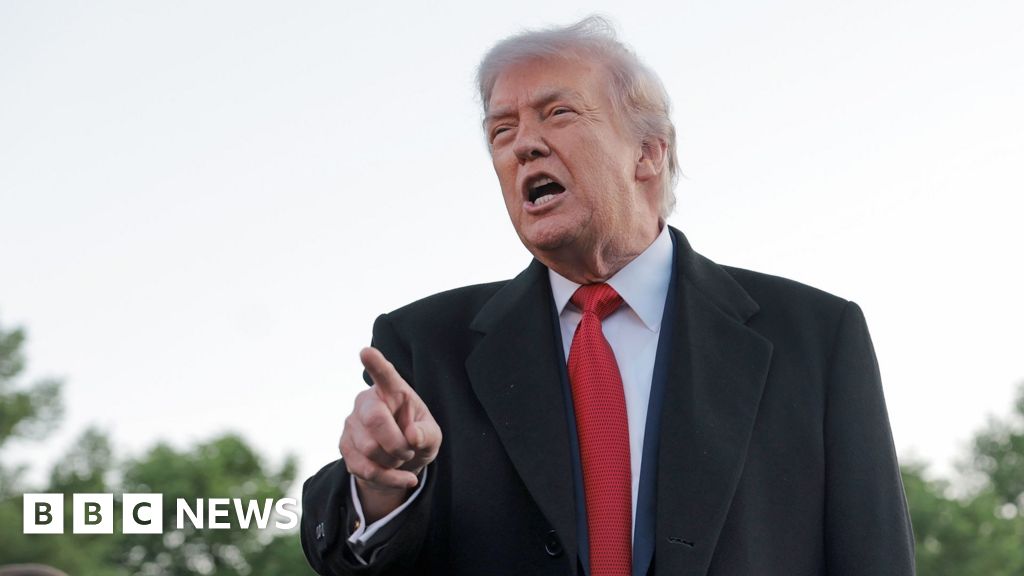
US and Iran naval forces exchanged fire in the Strait of Hormuz, with both sides blaming the other for initiating the confrontation. The US military described Iranian attacks as “unprovoked,” claiming Iran launched missiles, drones and small boats against three US warships. Iran’s military command countered that the US violated the ceasefire by targeting an Iranian oil tanker and conducting “aerial attacks” on coastal areas. Despite the clash, US President Donald Trump stated that the ceasefire between the two nations is still in effect.
Why it matters
The Strait of Hormuz is a critical waterway through which more than a fifth of the world’s oil and gas typically passes. The exchange of fire comes just days after Iran’s foreign ministry indicated it was considering a US proposal to end the war. The confrontation has already caused oil prices to spike, with Brent crude rising nearly 3% to over $100 per barrel before slightly easing. The UAE also reported engaging with missile and drone attacks from Iran, highlighting the regional tensions.
What to watch
Whether the fragile ceasefire can withstand further provocations in the strategic waterway. How global oil markets will react to continued instability in the region. Whether either side will provide verifiable evidence of their claims about the extent of damage inflicted. If negotiations between the US and Iran will continue despite the recent escalation. How other nations in the region respond to the heightened tensions.
Sources
- BBC News — Details about the exchange of fire and conflicting claims
- Al Jazeera — Oil price impact and market reactions
- The New York Times — Analysis of ceasefire stability and regional implications
How did this story land?
Choose one reaction. Choosing it again leaves it selected.