
Trump Warns 1,000 Missiles Are ‘Locked and Aimed’ at Iran Amid Assassination Fears
Trump warns 1,000 missiles are 'locked and aimed' at Iran amid assassination fears, while the U.S. demands Iran guarantee safe passage through the Strait of Hormuz.
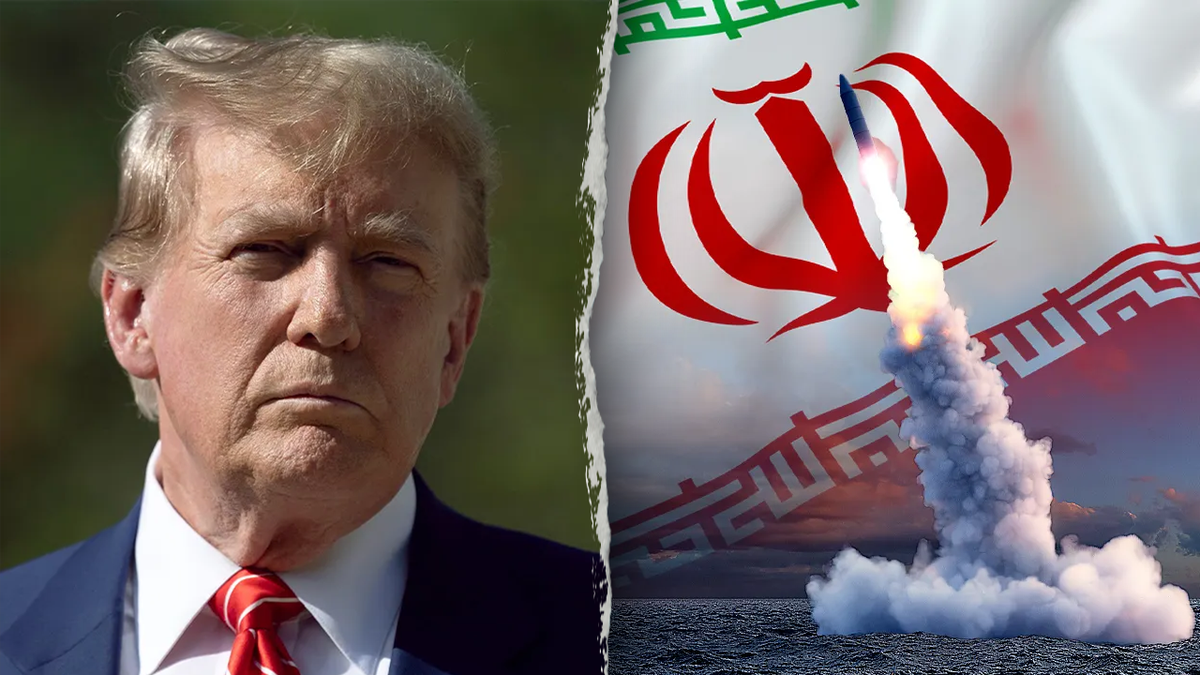
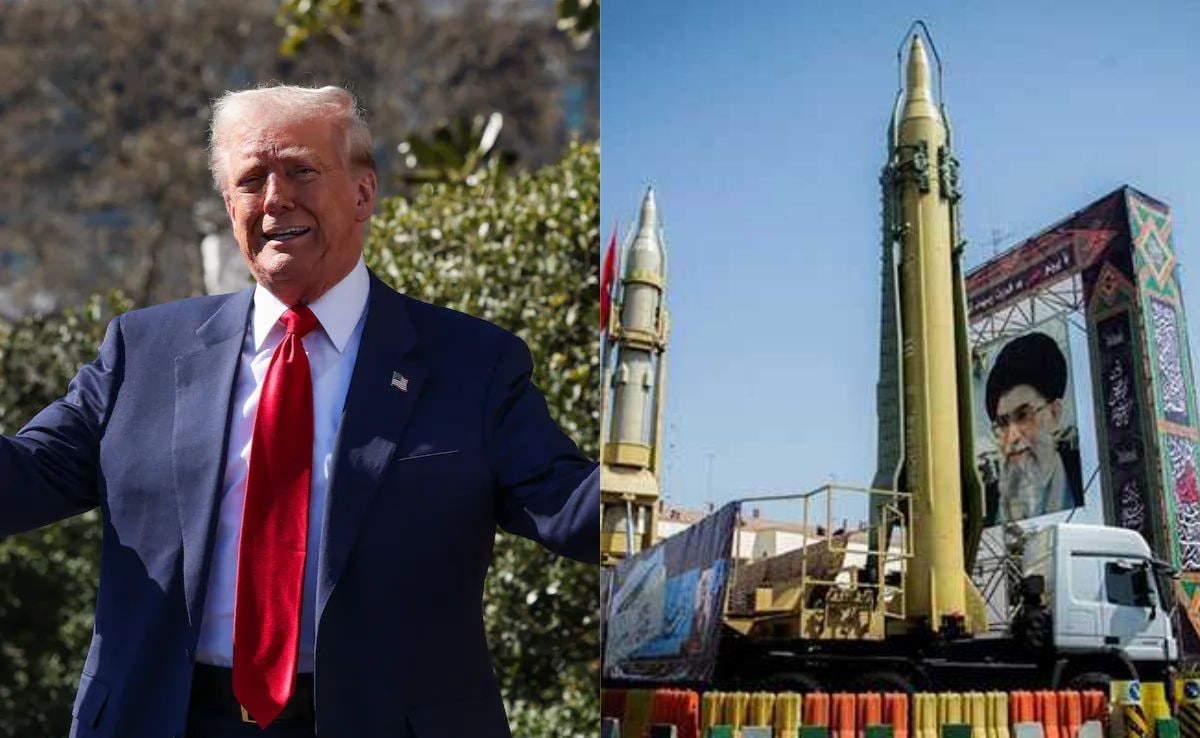
Former President Donald Trump has issued a stark warning to Iran, declaring that 1,000 missiles are “locked, loaded and aimed” at the country should they attempt to assassinate him. The dramatic statement escalates an already volatile situation between the United States and Iran, raising fears of a potential military confrontation in the Middle East.
What Happened
Trump made the declaration amid growing intelligence reports suggesting Iranian plots against him. U.S. intelligence agencies have previously warned that Iran has been actively seeking to retaliate for the 2020 killing of Qasem Soleimani, the top Iranian general taken out in a U.S. drone strike during Trump’s presidency. The former president’s statement signals that any assassination attempt would be met with overwhelming military force.
The threat comes at a time of heightened tensions in the Persian Gulf region. The U.S. has also demanded that Iran publicly state that the Strait of Hormuz — the critical shipping chokepoint through which roughly one-fifth of the world’s oil supply passes — remains open and that Tehran will not attack commercial vessels. The dual pressures of missile threats and maritime security demands have placed the Middle East on edge.

Context and Background
The roots of this confrontation trace back to January 2020, when the Trump administration ordered the drone strike that killed Iranian General Qasem Soleimani, the commander of the Quds Force. Iran vowed “severe revenge” at the time, launching ballistic missiles at Iraqi bases housing U.S. troops in the days that followed. While no American soldiers were killed in that retaliation, Iran has never formally closed the book on its vow of vengeance.
Since then, U.S. intelligence has repeatedly warned of Iranian assassination plots targeting former Trump administration officials. The Threat Intell Division has tracked numerous Iranian operatives and proxy groups believed to be planning attacks on U.S. soil and abroad. Trump’s latest statement appears to be a direct response to these ongoing threats.
Strait of Hormuz Demands
Simultaneously, the United States has pressed Iran to publicly guarantee the safety of commercial shipping through the Strait of Hormuz. The narrow waterway has been the site of multiple incidents in recent years, including Iranian seizures of oil tankers, drone attacks on commercial vessels, and naval confrontations between Iranian speedboats and U.S. warships. Securing the strait is vital for global energy markets, as approximately 21 million barrels of oil pass through it daily.
Analysis
The significance of this story lies in its potential to reshape the geopolitical landscape of the Middle East and beyond. Trump’s declaration of 1,000 missiles ready to launch represents an extraordinary level of military posturing that goes well beyond typical diplomatic rhetoric. Experts note that while such statements may serve as deterrence, they also risk miscalculation — where one side misreads the other’s intentions, potentially triggering the very conflict both claim to want to avoid.
The coupling of missile threats with demands about the Strait of Hormuz signals a comprehensive pressure campaign. By simultaneously threatening military force and insisting on maritime guarantees, the U.S. is attempting to box Iran into a corner: either comply publicly with American demands or face devastating consequences. However, Iran’s leadership has historically resisted public capitulation to U.S. pressure, making a diplomatic resolution uncertain.
Regional allies including Israel, Saudi Arabia, and the Gulf states are watching closely. Any escalation between the U.S. and Iran would have immediate consequences for regional security partnerships, oil markets, and the broader balance of power in the Middle East. European allies have also expressed concern, urging restraint on all sides while acknowledging the seriousness of the assassination threats.
Why It Matters
This is not merely political rhetoric — it has direct implications for global security and the world economy. A military confrontation between the U.S. and Iran would disrupt oil shipping routes, spike energy prices, draw in regional allies and adversaries, and potentially spark a wider conflict. The threat level is the highest it has been since the Soleimani strike in 2020, and both sides appear to be preparing for worst-case scenarios.
For ordinary citizens, the consequences could include higher fuel prices, market volatility, and increased geopolitical anxiety. For governments worldwide, it means recalibrating diplomatic strategies and military readiness in one of the world’s most volatile regions.
Key Takeaways
- Trump declared 1,000 missiles are “locked, loaded and aimed” at Iran in response to assassination threats
- U.S. intelligence has tracked ongoing Iranian plots against former Trump officials since the Soleimani strike
- The U.S. is also demanding Iran publicly guarantee safety of shipping through the Strait of Hormuz
- Any military confrontation would severely disrupt global oil markets and Middle East stability
- Both sides appear to be escalating, raising risks of miscalculation and unintended conflict
What to Watch Next
Key indicators to monitor include: any formal Iranian government response to the missile threat and Hormuz demands; movements of U.S. naval assets in the Persian Gulf; changes in oil prices and shipping insurance rates; statements from European and regional allies; and intelligence updates regarding Iranian operational activity. This remains a fast-developing story with significant implications for global security.