
Japan Raises Rates to 31-Year High
Japan’s central bank hikes rates to a 31-year high, joining the U.S. and Europe in tightening.
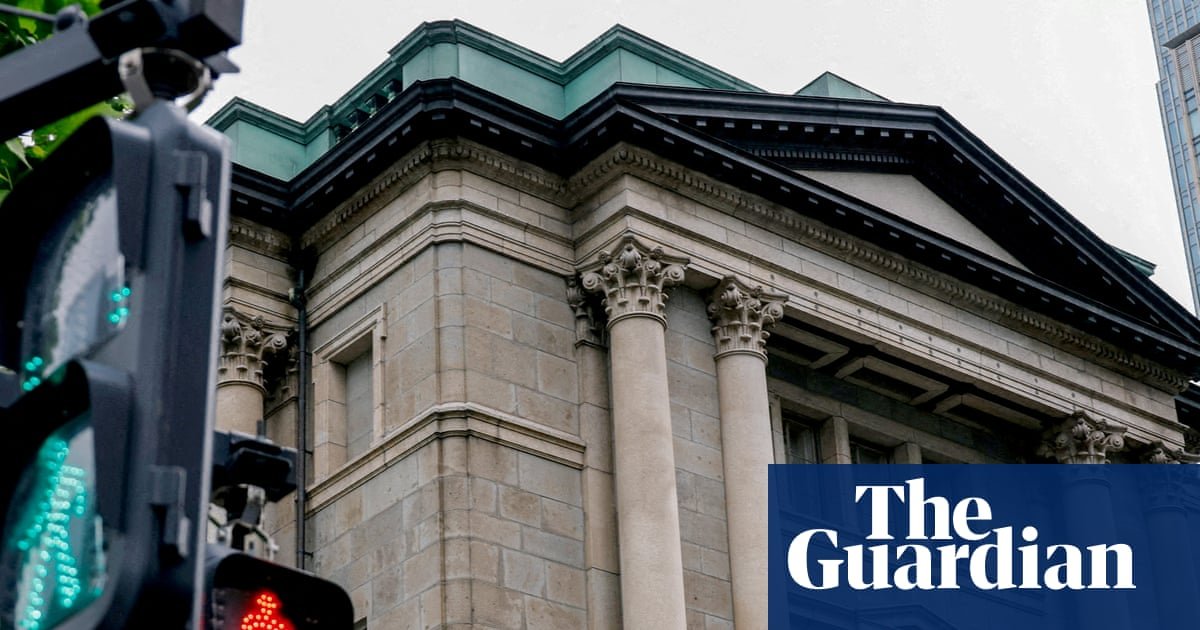
The update
The Bank of Japan (BoJ) has lifted its benchmark interest rate from 1% to 1.25%. This marks the highest level since 1995 and signals a significant shift away from the ultra-loose monetary policy the country has maintained for decades. The move comes as the central bank attempts to stabilize inflation near its 2% target.
Why it matters
This decision aligns Japan with the U.S. Federal Reserve and the European Central Bank, which have also been tightening monetary policy. The hike is intended to counter rising prices, which have been driven by factors including energy costs and global supply pressures. The move also addresses a widening gap between Japanese and U.S. interest rates, which has pressured the yen.
What to watch
Market participants will be closely watching the BoJ’s next steps. Governor Kazuo Ueda has indicated that the bank will determine the pace of future increases on a case-by-case basis, rather than following a fixed schedule. There is also potential for further rate hikes if underlying inflation risks overshooting the 2% target.
Sources
- theguardian.com — Rate increase details and dissenting board members.
- aljazeera.com — Inflation context and global rate comparisons.
- bbc.co.uk — Historical context and energy price factors.
How did this story land?
Choose one reaction. Choosing it again leaves it selected.