Hantavirus on Cruise Ship: WHO Assesses Low Global Risk
A hantavirus outbreak on a cruise ship has killed three people, but the WHO says the global risk is low and it is not a new pandemic.
The update
A deadly outbreak of hantavirus aboard the Dutch-flagged cruise ship MV Hondius has prompted a coordinated international health response. The World Health Organization (WHO) reports eight cases, including five laboratory-confirmed infections and three suspected cases. Three people have died, including a Dutch woman and her husband who were evacuated to South Africa, where testing confirmed the virus. The first known patient developed symptoms on April 6 during a birdwatching trip through Argentina, Chile, and Uruguay.
Why it matters
While the outbreak is serious, the WHO emphasizes that the overall global public health risk remains low. Officials distinguish this situation from the COVID-19 pandemic, noting that hantavirus spreads through close, intimate contact rather than casual respiratory transmission. The Andes strain of hantavirus is the only known type capable of limited human-to-human transmission, which requires prolonged contact, such as among household members or healthcare workers.
What to watch
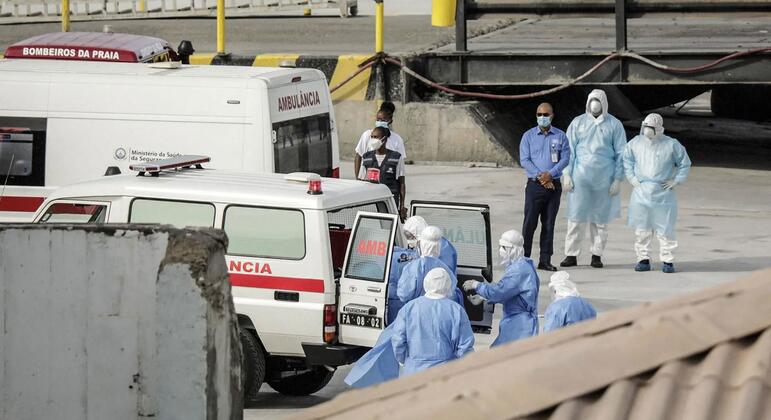
Authorities are tracing dozens of passengers who disembarked in St Helena and other ports. Given the incubation period of up to six weeks, additional cases may emerge. The EU is closely monitoring the situation, and the cruise line has implemented mask mandates and enhanced protective equipment for those caring for infected individuals.
Sources
- UN News — WHO statement on low risk, case numbers, and transmission details.
- BBC — Details on transmission, cruise line operations, and passenger tracing.
- Al Jazeera — EU monitoring efforts and response coordination.
- The New York Times — Details on specific passenger movements and testing.