
Image: New Scientist
Reading Time: 3 minutes
The Franken-Swine Experiment That Has Everyone Talking
In a development that sounds ripped from a Philip K. Dick novel, scientists have achieved what they’re calling a “major leap toward reanimation after death” by freezing a pig’s brain with minimal cellular damage. The breakthrough, reported by New Scientist, has sparked both excitement and skepticism across the scientific community.

The technique involves pumping the pig’s brain with preservation solutions followed by cryoprotectants before freezing. The result? Unprecedented preservation of neurons, synapses, and the brain’s molecular structure — essentially locking cellular activity in place like a biological pause button.
Reanimation or Just Fancy Embalming?
Not everyone is buying the reanimation narrative. Critics argue this is closer to “high-fidelity embalming” than a genuine pathway to bringing brains back online. The distinction matters: preservation doesn’t equal revival. You can preserve a hard drive perfectly, but that doesn’t mean it will boot up after years in a freezer.
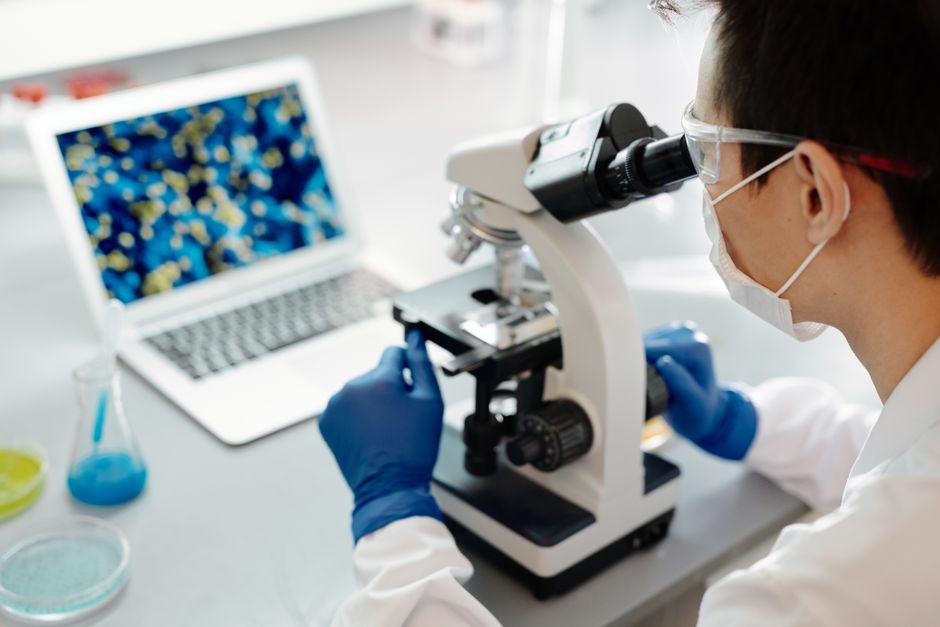
The skepticism centers on a fundamental question: can you restart consciousness from a frozen state? Even with perfect structural preservation, the dynamic processes that create awareness, memory, and thought might not survive the freeze-thaw cycle. We’re talking about restarting an orchestra, not just storing the instruments.
Why This Matters Beyond Sci-Fi Headlines
While the “reanimate the dead” framing grabs attention, the real implications are more nuanced:
- Brain research: Better preservation techniques could revolutionize neuroscience by allowing long-term study of intact neural structures
- Medical applications: Understanding how to protect brain tissue during trauma, surgery, or oxygen deprivation
- Cryonics validation: If this technique proves viable, it lends credibility to human brain preservation services already operating today
- Philosophical questions: What even counts as “you” if your brain’s structure can be frozen and theoretically restarted?
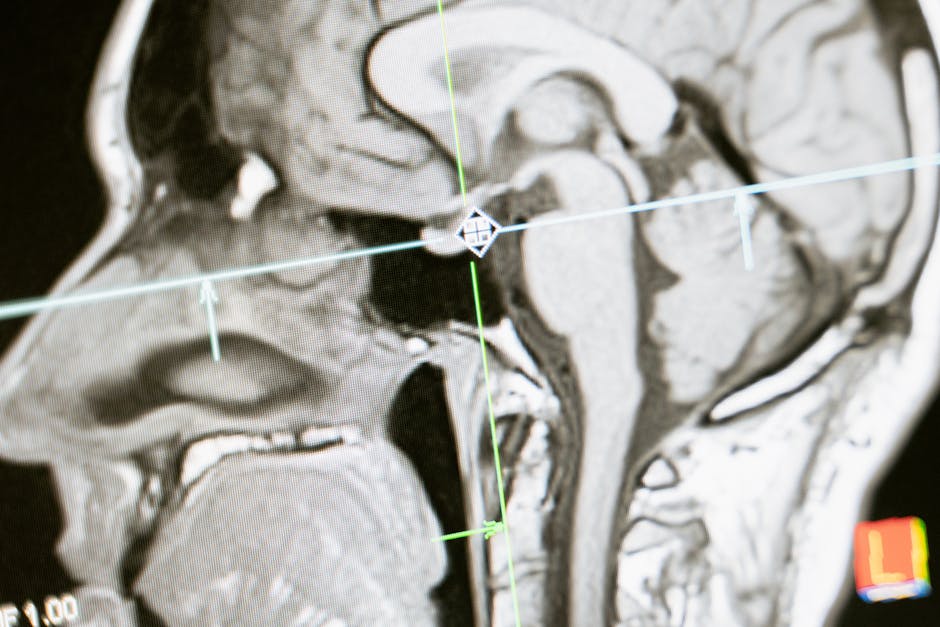
The Silicon Valley Angle
Brain preservation isn’t just a lab curiosity — it’s a bet some tech billionaires are already making. Companies like Nectome have pitched “high-fidelity brain preservation” as a service for terminally ill patients, with the promise (or hope) that future technology could upload or revive those brains.
The pig experiment doesn’t prove that vision is viable, but it does show the science is advancing faster than most people realize. Whether that’s exciting or dystopian depends on your view of consciousness, identity, and whether a frozen brain still counts as “you.”
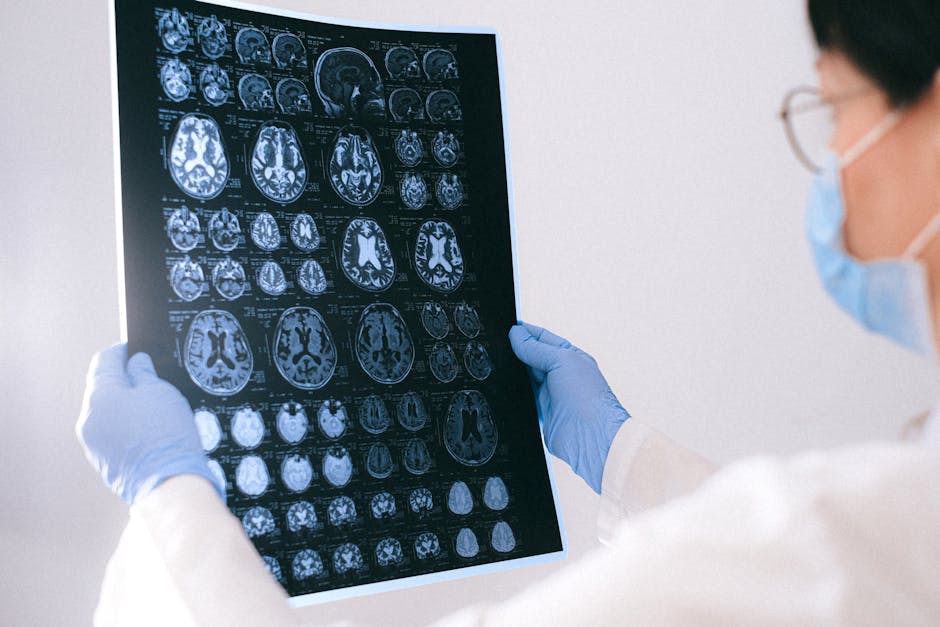
What’s Next?
The researchers haven’t attempted to revive the preserved pig brain, so the reanimation question remains unanswered. That’s the trillion-dollar (and deeply unsettling) next step: can they actually bring it back?
For now, this is a preservation breakthrough with reanimation implications — not proof of concept for Frankenstein 2.0. But it’s a data point in a trend that’s impossible to ignore: the line between life, death, and “paused” is getting blurrier every year.
Key Takeaways
- Scientists achieved unprecedented preservation of a mammalian brain using advanced cryoprotectant techniques
- Skeptics say this is closer to embalming than true reanimation potential
- The breakthrough could advance neuroscience, medical trauma care, and cryonics research
- No revival has been attempted yet — the reanimation question remains theoretical
- Silicon Valley is already betting on brain preservation; this experiment validates the technical feasibility
Would you preserve your brain if you could? And would the thing that wakes up still be you? Let us know in the comments.