NASA’s Swift Telescope Doomed After Rescue Fails
A private rescue mission to save NASA's Swift satellite has failed, meaning the 30-year-old gamma-ray observatory is now doomed to crash into Earth later this year.
The update
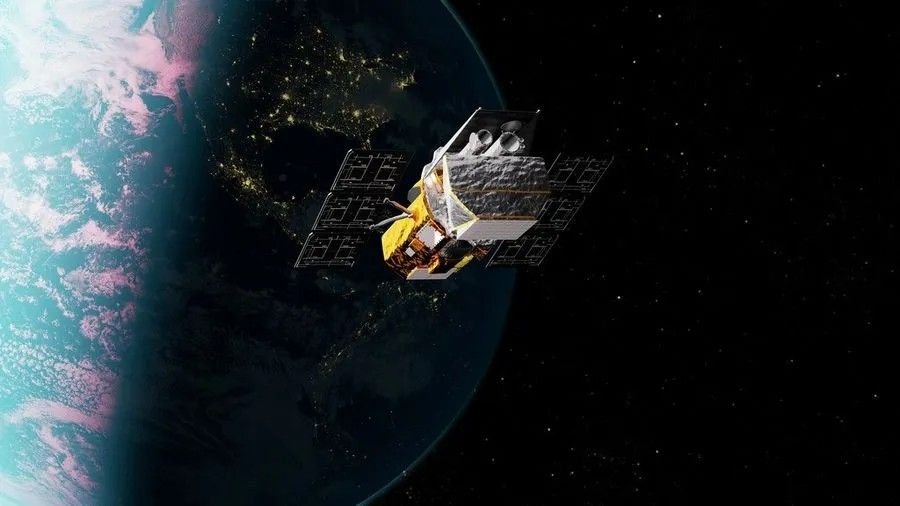
NASA has called off a private rescue mission to save its Swift Observatory after the spacecraft ran into trouble in orbit. The rescue probe, named LINK, was launched in July with the goal of boosting the observatory’s altitude. However, LINK began spinning out of control weeks after launch. NASA announced on Wednesday that the mission would not continue as planned, leaving the Swift Observatory to continue its slow fall toward Earth.
Why it matters
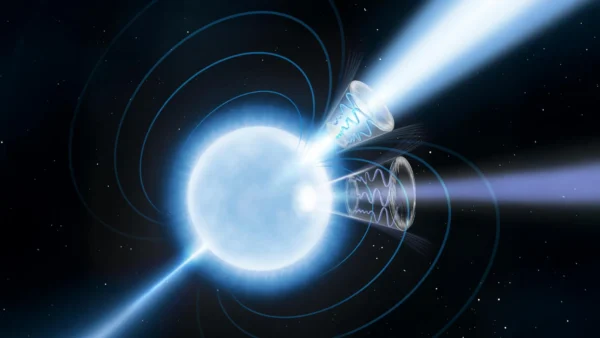
The Swift Observatory has been tracking gamma-ray bursts—the most powerful explosions in the universe—since its launch in 2004. Over time, the telescope has been slowed by atmospheric drag, causing its orbit to decay. The private rescue mission was a high-stakes effort to extend the life of a decades-old asset, but its failure means the scientific community will lose a critical tool for studying these cosmic events.
What to watch
Swift is expected to reenter Earth’s atmosphere later this year. While the exact date and debris impact zone remain uncertain, the loss of the telescope represents a significant gap in the study of gamma-ray bursts. The mission’s failure also raises questions about the reliability of rapid-response private spaceflight for critical government assets.
Sources
- livescience.com — Mission summary, the specific failure of the rescue spacecraft, and context on the observatory's history.
- space.com — Mission details, LINK spacecraft details, launch date, and NASA's official statement.