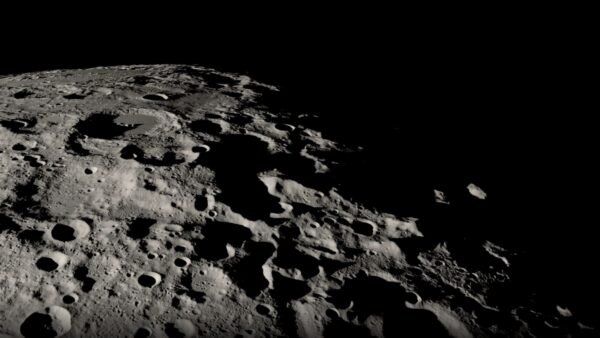
NASA Reveals SpaceX Moon Impact Crater
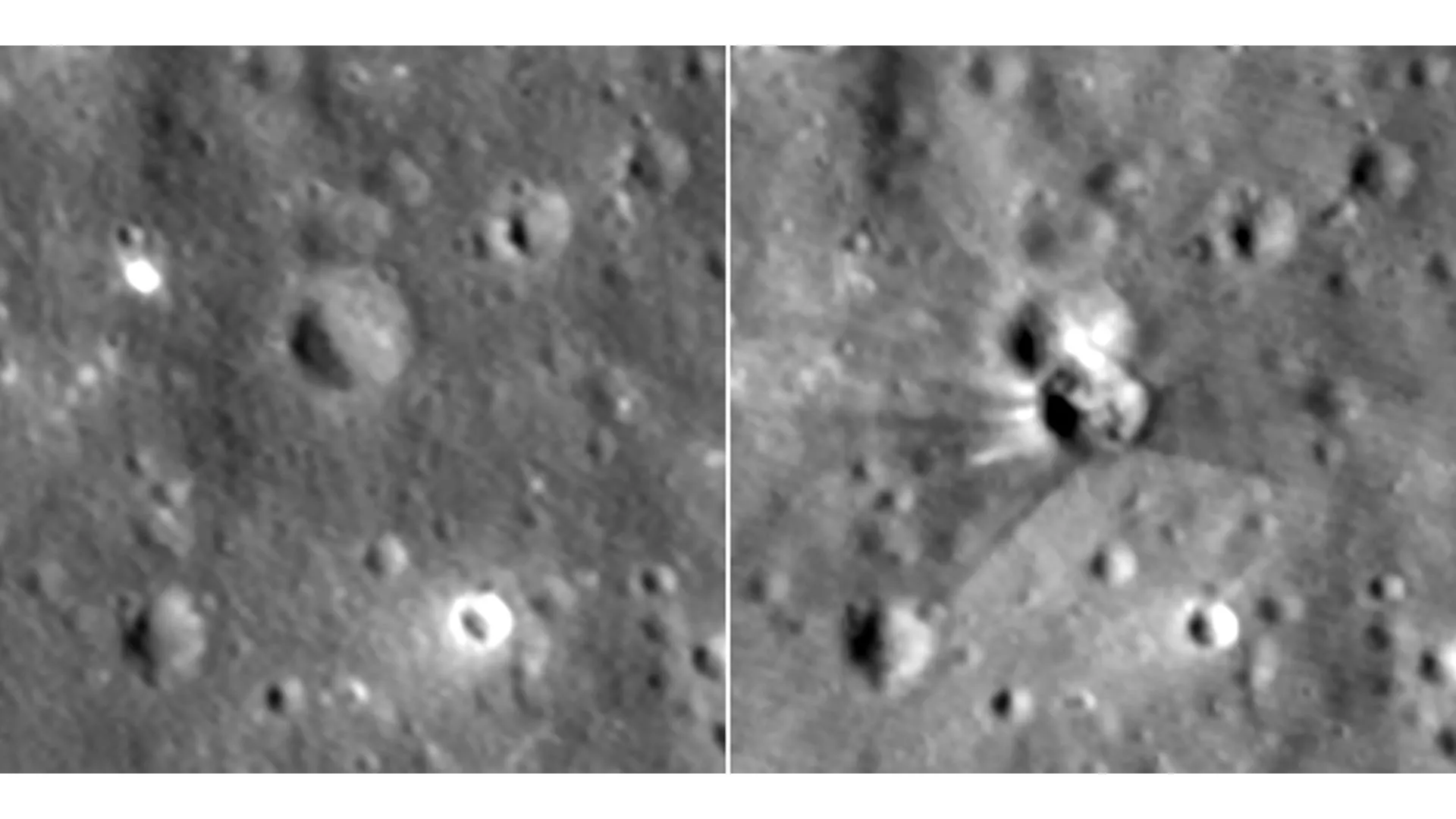
NASA's Lunar Reconnaissance Orbiter captured images of a 60-foot crater left by a SpaceX Falcon 9 upper stage.
The update
NASA’s Lunar Reconnaissance Orbiter (LRO) has captured the first detailed images of a newly formed crater on the Moon. The impact site, located near the northwestern limb, was created by a discarded SpaceX Falcon 9 upper stage that crashed into the lunar surface on Aug. 5. The images reveal a crater approximately 60 feet wide, surrounded by streaks of ejected lunar rock and dust. The impact blasted fresh material from as deep as 1.5 feet beneath the surface, exposing material that had been weathered by solar wind and cosmic rays for eons.
Why it matters
This marks the first confirmed instance of a large artificial object impacting the Moon. The event highlights the growing challenge of managing space debris in cislunar space. While natural impacts have occurred for billions of years, the increasing number of spent rocket stages and satellites in orbit raises questions about the long-term cleanliness of our celestial neighbors. The discovery also provides a rare opportunity for scientists to study how artificial impacts alter the lunar surface, a process normally dominated by natural micrometeorites.
What to watch
Scientists will continue to monitor the crater’s evolution. The exposed material may darken or change color over time as it is re-exposed to the harsh space environment. There is also ongoing discussion about the legal and technical frameworks required to prevent future debris from striking the Moon, as current space traffic management systems focus primarily on Earth-orbiting satellites.
Sources
- sciencedaily.com — Crater dimensions (60 feet), depth (<10 feet), ejecta patterns, and exposure of fresh material.
- livescience.com — Launch date (Jan. 15, 2025), rocket mass (4.4 tons), and location near Einstein Crater.
- space.com — Impact speed (5,400 mph), V-shaped ejecta pattern, and LRO imaging schedule.