
Japan Raises Rates to Highest Since 1995
Japan ends its era of negative interest rates, raising borrowing costs to 1.25%.
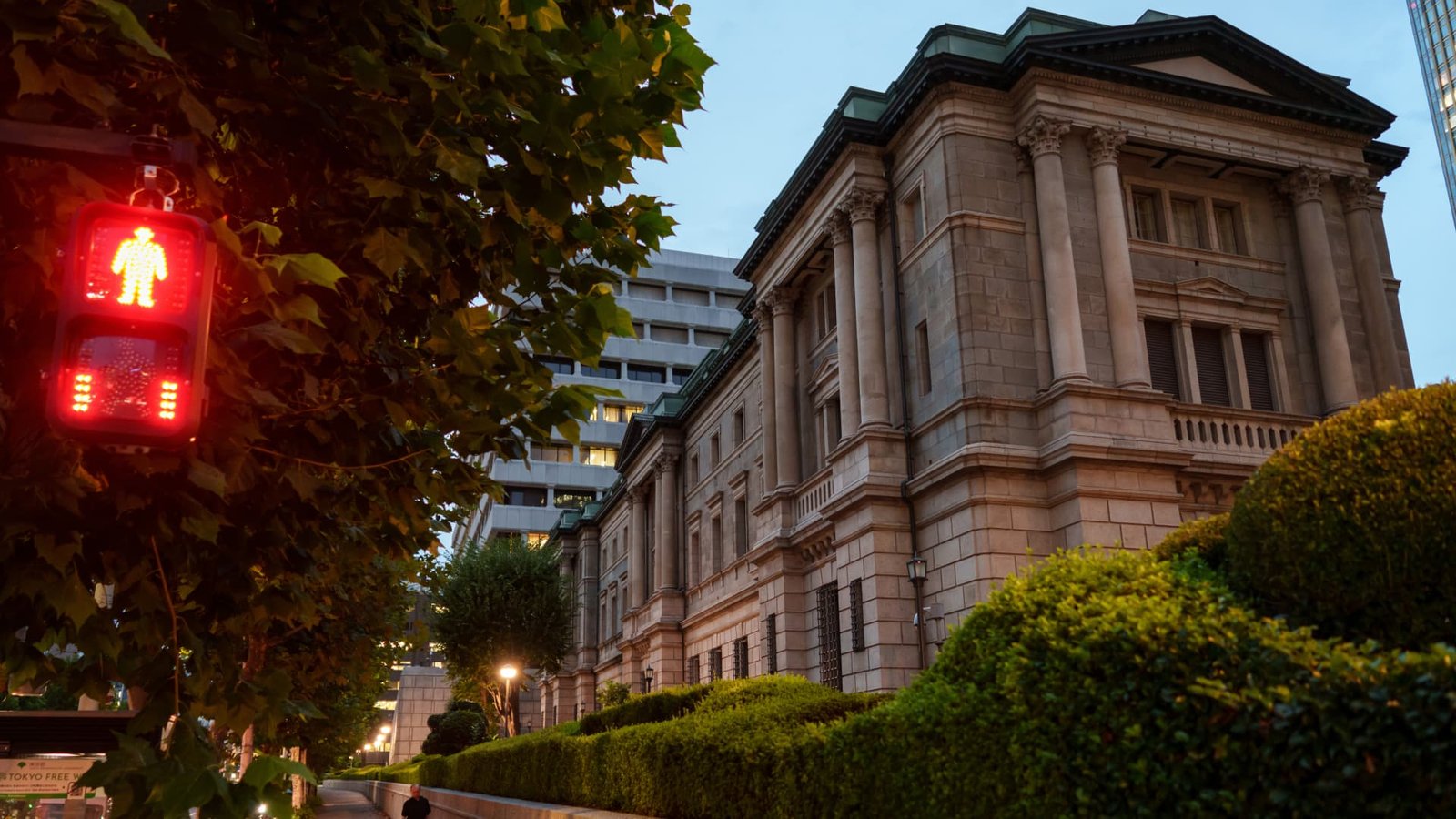
The Update
The Bank of Japan has lifted its policy rate by 25 basis points to 1.25%, the highest level since 1995. This marks the end of the country’s era of negative interest rates, a policy tool used to stimulate the economy for over a decade.
Why It Matters
This shift signals a major change in global monetary policy. The move comes as inflation in Japan has been creeping upward, with officials expressing concern that price growth could deviate beyond the central bank’s 2% target. The decision also comes amid a historically weak yen and follows recent coordinated intervention by the U.S. and Japan to support the currency.
What to Watch
Market participants are closely watching the yen’s reaction and the potential for further rate hikes. The central bank’s statement suggests it aims to stabilize underlying inflation at around 2% to prevent price overshoots. Additionally, the 7-2 vote split indicates internal debate over the pace of tightening, which could influence future policy decisions.
Sources
- ft.com — confirmation of the rate hike to 1.25% and the historical context of the 1995 peak.
- cnbc.com — details on the 25-basis-point hike, the 7-2 vote split, dissenting members, and the rationale regarding inflation targets.
How did this story land?
Choose one reaction. Choosing it again leaves it selected.