
China Trade Surplus Passes $1 Trillion as AI Demand Lifts Exports
China said its trade surplus for the first 10 months of 2026 reached $1.04 trillion, driven by surging AI-related exports and strong imports.
The update
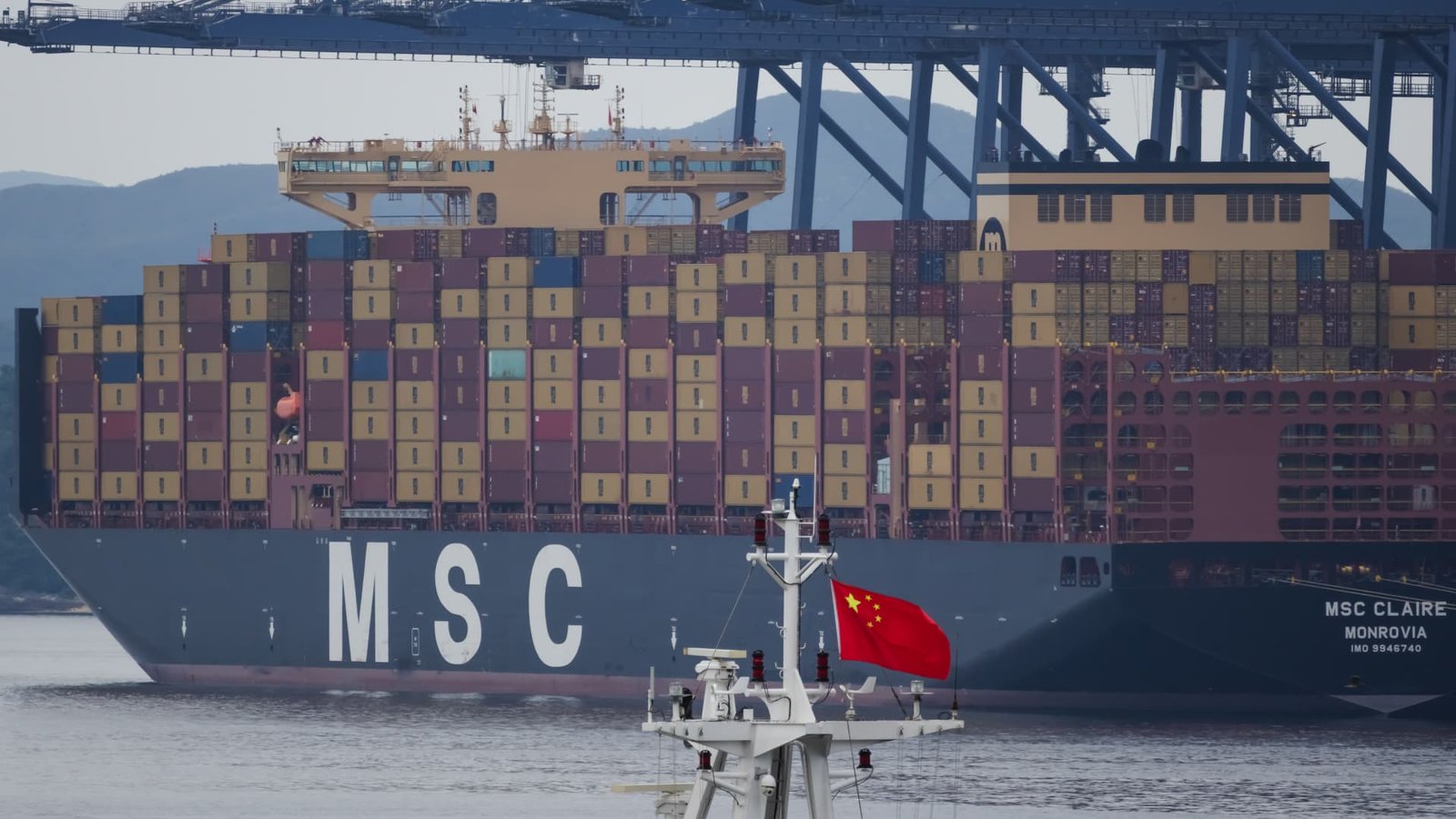
China said its trade surplus for the first 10 months of 2026 reached $1.04 trillion in October, passing $1 trillion a month earlier than last year. Customs data showed exports rose 35.2% year on year to $412.3 billion last month, while imports rose 41.6% to $307.1 billion. The monthly surplus was $105.3 billion. Both reports linked the export surge in part to global demand for artificial intelligence products, including computer chips, data centre servers and networking equipment. Shipments to the United States rose 32.9%.
 El Salvador Strikes Compound Said to Be Haitian Gang Headquarters Near Port-au-Prince
 House Votes 211-204 to Refer Hegseth Impeachment Articles to Committee, Effectively Ending the Effort
 US Charges Three Men Over Alleged Plots Targeting Jewish Communities and RAF Fairford
 Republicans Elect Jim Jordan as House Minority Leader After Midterm Defeats
 FDA Orders NAION Blindness Risk Warning on All GLP-1 Drugs Including Ozempic and Wegovy
Why it matters
China is on track to pass last year’s record $1.2 trillion surplus. Exports have supported growth while property weakness and soft household consumption weigh on domestic activity. The scale of the surplus is also increasing friction with trading partners concerned that lower-cost Chinese goods are crowding out local producers, and partners have pressed Beijing to boost domestic demand and rebalance its economy.
What to watch
Presidents Xi Jinping and Donald Trump are expected to meet at the APEC summit in Shenzhen next week, after Washington and Beijing extended a trade truce. Watch whether AI-related demand sustains export growth, after factory activity unexpectedly shrank in October, and whether new partner restrictions or trade measures follow the record surplus.
Sources
- cnbc.com — confirms the export, import and monthly surplus figures and the AI-related demand behind them
- euronews.com — confirms the $1.04 trillion year-to-date surplus, customs figures and shipments to the United States
Related coverage
 US to Suspend South Africa and Rwanda From Duty-Free AGOA Trade Access
 US-China Talks Set Stage for Trump-Xi Summit
 EU Offers Canada Historic Associate Membership Amid Trump Trade War
How did this story land?
Choose one reaction. Choosing it again leaves it selected.