
Webb Telescope Reveals Largest Star Nursery View
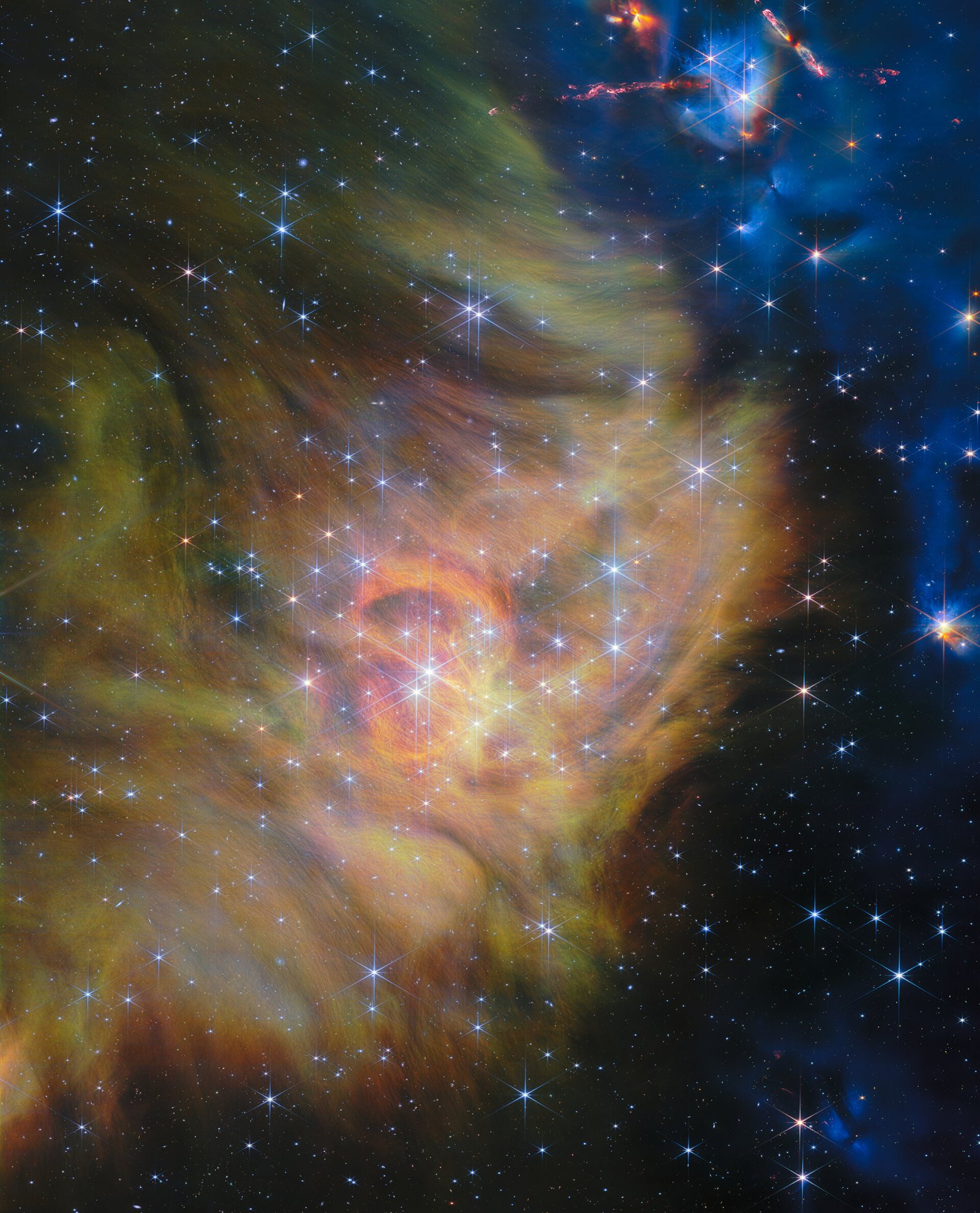
Webb Telescope reveals the largest public image of a star nursery, uncovering brown dwarfs just twice the mass of Jupiter.
The update
NASA and the European Space Agency have released the largest public image captured by the James Webb Space Telescope to date. The new view focuses on the star-forming region IC 348, located roughly 1,000 light-years away in the constellation Perseus. Using Webb’s instruments, astronomers have identified brown dwarfs with masses just twice that of Jupiter. These objects sit below the mass threshold required for hydrogen fusion, marking the smallest brown dwarfs discovered to date.
Why it matters
Star formation creates a wide range of objects, from massive stars to the smallest, most common stars. Brown dwarfs represent an intermediate class that straddles the line between stars and planets. By identifying brown dwarfs at the lower end of this mass range, researchers are narrowing the gap in our understanding of stellar evolution and the conditions required to ignite a star.
What to watch
Scientists will continue to analyze the spectral data from Webb’s NIRSpec instrument to confirm the precise masses of these objects. Future observations of other star-forming regions may reveal whether this mass range is common or unique to IC 348.
Sources
- ESA News — Discovery of brown dwarfs twice the mass of Jupiter and details on the IC 348 region.
- science.nasa.gov — Confirmation of the image scale and the location of IC 348.
How did this story land?
Choose one reaction. Choosing it again leaves it selected.