
Glacier Collapse Likely Caused Deadly Nepal-Tibet Floods
Scientists confirm a collapsed glacier triggered devastating flash floods across the Nepal-Tibet border, killing at least 177 people.
The update
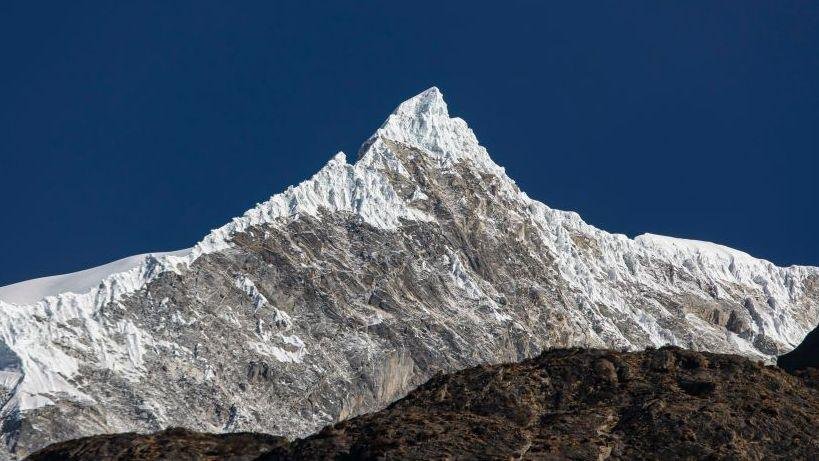
Scientists have identified a collapsed glacier as the primary cause of the deadly flash floods that struck the Nepal-Tibet border. Initial reports suggested an earthquake triggered a landslide, but the US Geological Survey clarified that the disaster was caused by a glacial collapse—a disintegration of ice or rock that dislodged a massive volume of debris into the Lende Khola river. This surge generated a powerful wave that rose up to nine meters in 30 minutes, sweeping away infrastructure and claiming at least 177 lives.
Why it matters
This event highlights the accelerating pace of glacial melt in the Himalayas. As temperatures rise, unstable ice structures are more likely to collapse, threatening downstream communities with sudden, catastrophic flooding. The scale of the disaster serves as a stark warning for millions of people living in high-altitude regions where glacial melt is increasingly unpredictable.
What to watch
Authorities are still working to account for more than 800 missing persons. Scientists are analyzing satellite imagery to better understand the mechanics of the collapse. As climate change intensifies, experts warn that similar events could become more frequent, necessitating improved early warning systems in vulnerable mountain regions.
Sources
- bbc.co.uk — Scientific confirmation of the collapse cause, magnitude estimates, and death toll figures.
- nytimes.com — Context on satellite imagery and the broader scientific analysis of the event.