Earth Microbes Could Survive on the Moon
NASA scientists report that human activity on the Moon could create habitable zones for Earth microbes in permanently shadowed regions.
The update
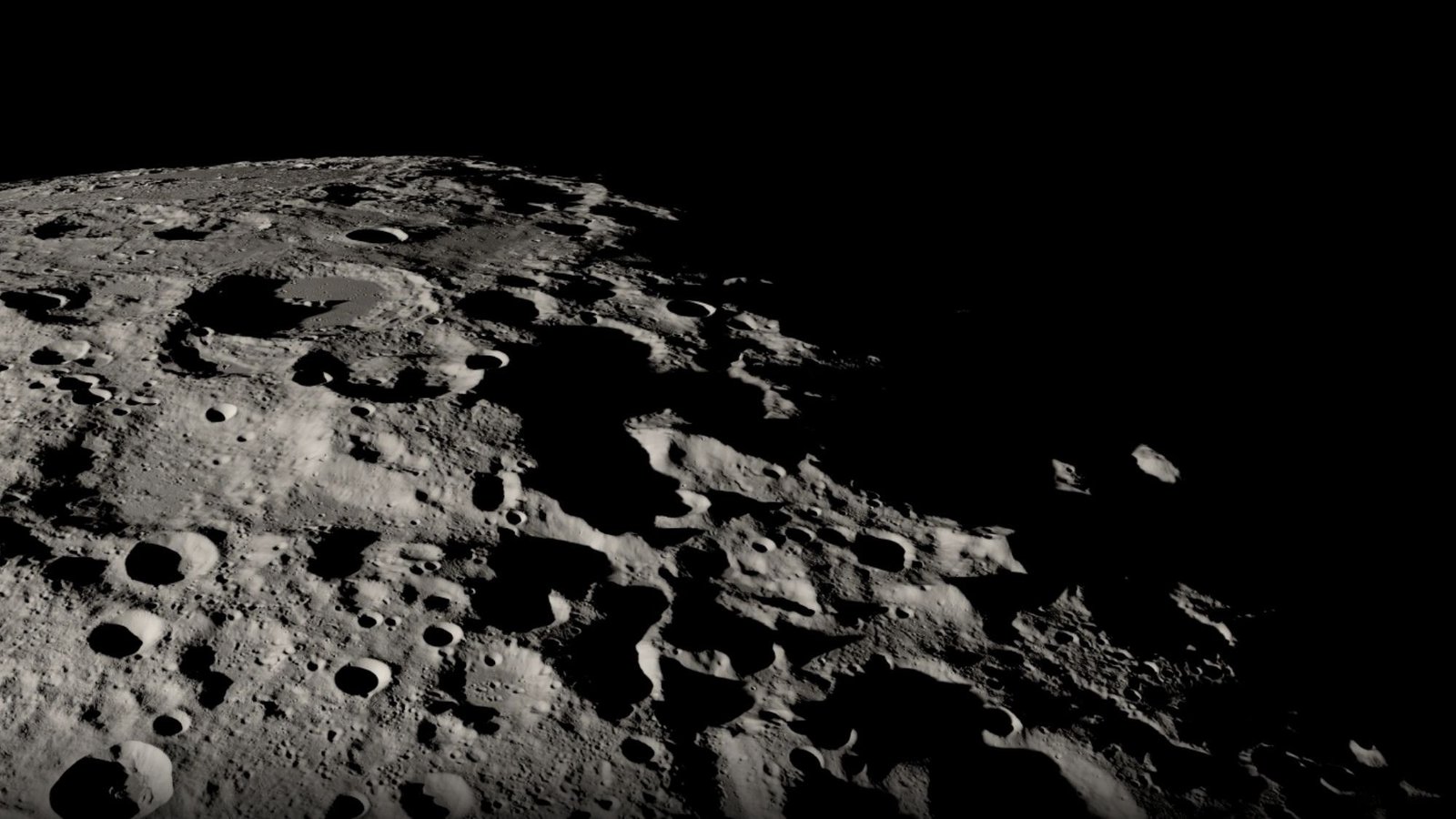
Human activity on the Moon could inadvertently create safe havens for Earth microbes. A study published in Science Advances suggests that the tracks left by astronauts or the rovers they use could provide shelter in the lunar poles, where the sun never rises high enough to deliver lethal ultraviolet radiation. Researchers analyzed common microbes found on human skin and in crewed space missions. They determined these organisms could enter a state of suspended animation—cryptobiosis—in the shaded craters of the Moon’s south pole. This means they could survive harsh conditions without growing or moving until more hospitable environments appear.
Why it matters
This finding changes how scientists plan for future lunar exploration. As human presence grows, the distinction between ancient lunar chemistry and contamination from astronauts becomes difficult to maintain. The study highlights a need to update planetary protection protocols to prevent Earth microbes from interfering with the search for ancient lunar geology or biology. It also raises the possibility that the Moon could serve as a natural laboratory for studying how life adapts to extreme environments.
What to watch
Scientists are currently debating how to balance the need for human exploration with the risk of contaminating the lunar surface. Future missions will need to account for the potential for Earth microbes to persist in the lunar environment.
Sources
- space.com — Context on the harsh conditions of the lunar surface and the role of cryptobiosis.
- science.nasa.gov — Primary research finding regarding microbial survival in lunar craters.