DOJ Pushes to Reinstate Vindictive Prosecution Charges
DOJ seeks to overturn judge's ruling that prosecution was likely vindictive, raising questions about immigration enforcement priorities.
The update
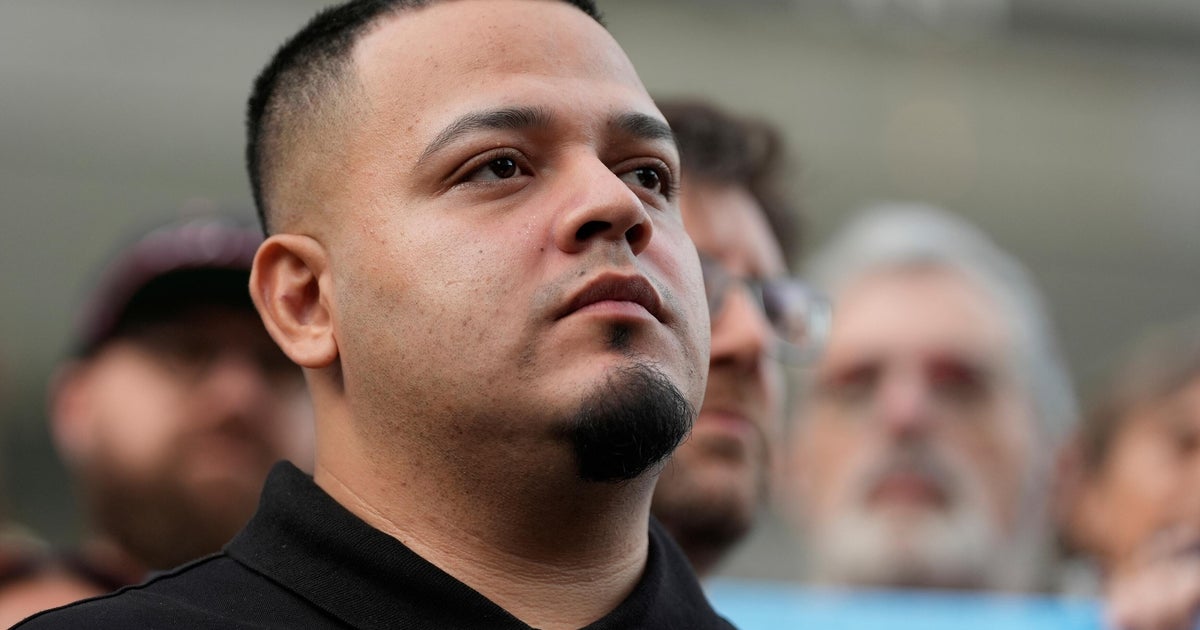
The Department of Justice has asked a federal appeals court to reinstate criminal charges against Kilmar Abrego Garcia, a Salvadoran man who was previously wrongfully deported. This follows a lower court order earlier this year that found the prosecution was likely vindictive. In a Monday court filing with the U.S. Court of Appeals for the 6th Circuit, the DOJ denied the prosecution was retaliatory, arguing it had “multiple legitimate bases to prosecute” Abrego Garcia on human smuggling charges stemming from a 2022 traffic stop in Tennessee.
Why it matters
This case highlights tensions between executive branch enforcement priorities and judicial oversight of prosecutorial discretion. The DOJ’s aggressive push to reinstate charges despite a judge’s vindictive prosecution ruling raises questions about whether immigration enforcement is being used as a tool of retaliation, potentially setting a precedent for how similar cases are handled nationwide.
What to watch
How the appeals court weighs the DOJ’s arguments against the judge’s findings of vindictive prosecution; whether this case signals a broader shift in immigration enforcement priorities; and if the DOJ will call decision-makers, including Attorney General Todd Blanche, to testify in the appeal process.
Sources
- thehill.com — DOJ's appeal request and legal arguments
- cbsnews.com — Background on the case, DOJ's defense, and Abrego Garcia's legal team response