Satellites Capture Moon’s Shadow on Earth
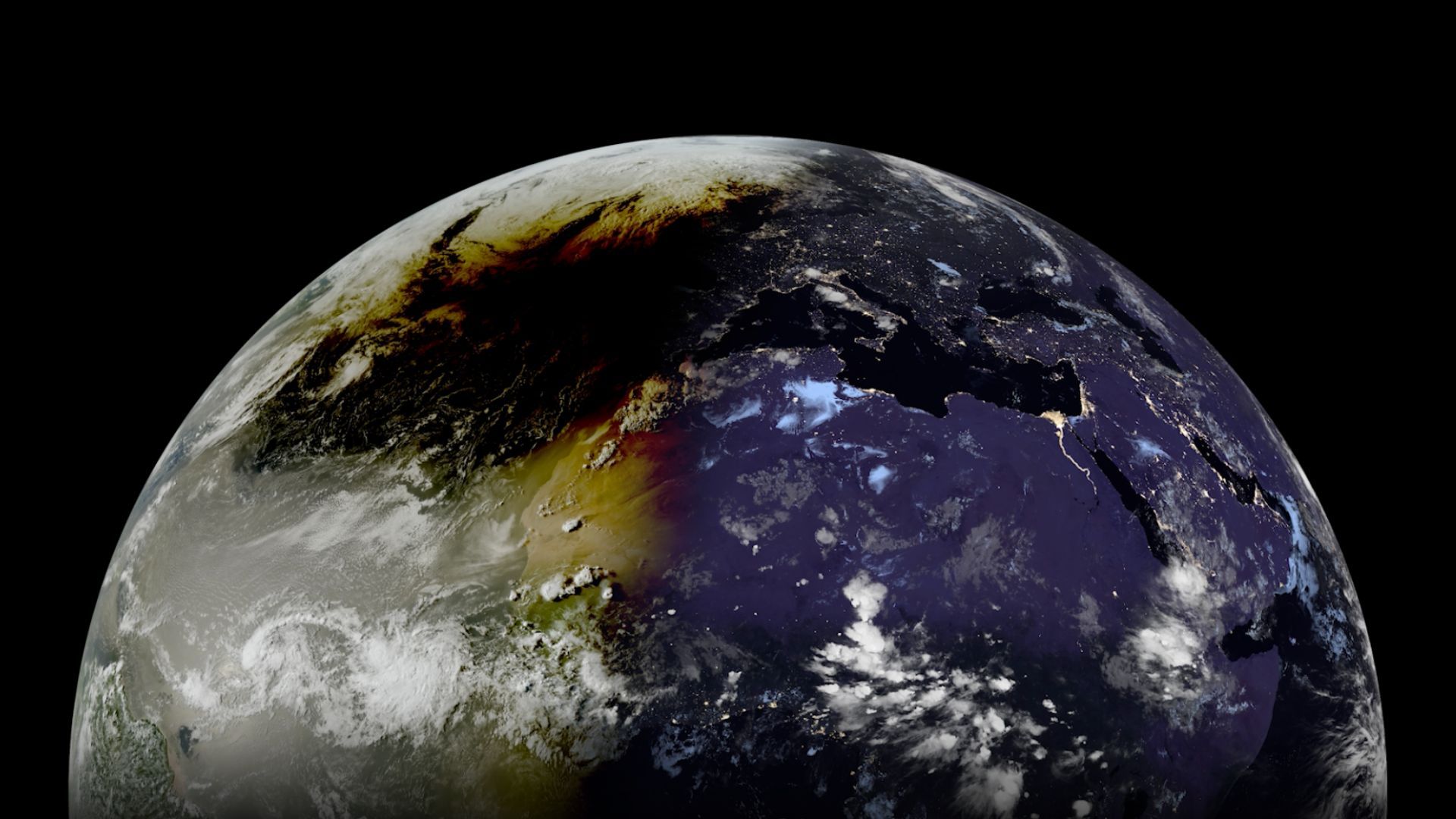
Orbiting spacecraft captured the moon's shadow darkening Earth during the August 12 total solar eclipse.
The update
Orbiting spacecraft captured the moon’s shadow darkening Earth during the August 12 total solar eclipse. The event occurred as the moon passed between the sun and our planet. Observers on the ground saw the sun progressively swallowed by the moon, revealing the star’s atmosphere against a darkened sky. NASA and European Space Agency (ESA) instruments recorded the spectacle, showing the shadow moving across Greenland, Iceland, and Spain.
Why it matters
Images from space offer a unique vantage point. They show the scale of the eclipse’s shadow as it moves across the globe. This perspective helps scientists study solar phenomena and Earth’s atmosphere in ways ground-based photos cannot. The data provides a rare look at the sun’s corona, a mysterious part of the star that is millions of degrees hotter than its surface.
What to watch
Scientists are analyzing the data to understand solar corona dynamics. Skywatchers should prepare for the next solar eclipse season, which begins later this year. The next official update will likely include detailed scientific analysis of the captured imagery.
Sources
- space.com — Context on the Aug. 12 total solar eclipse and satellite observations.
- livescience.com — Details on the eclipse’s impact on Spain and solar prominence imagery.