
Iran’s Funeral for Khamenei Tests Power Transition
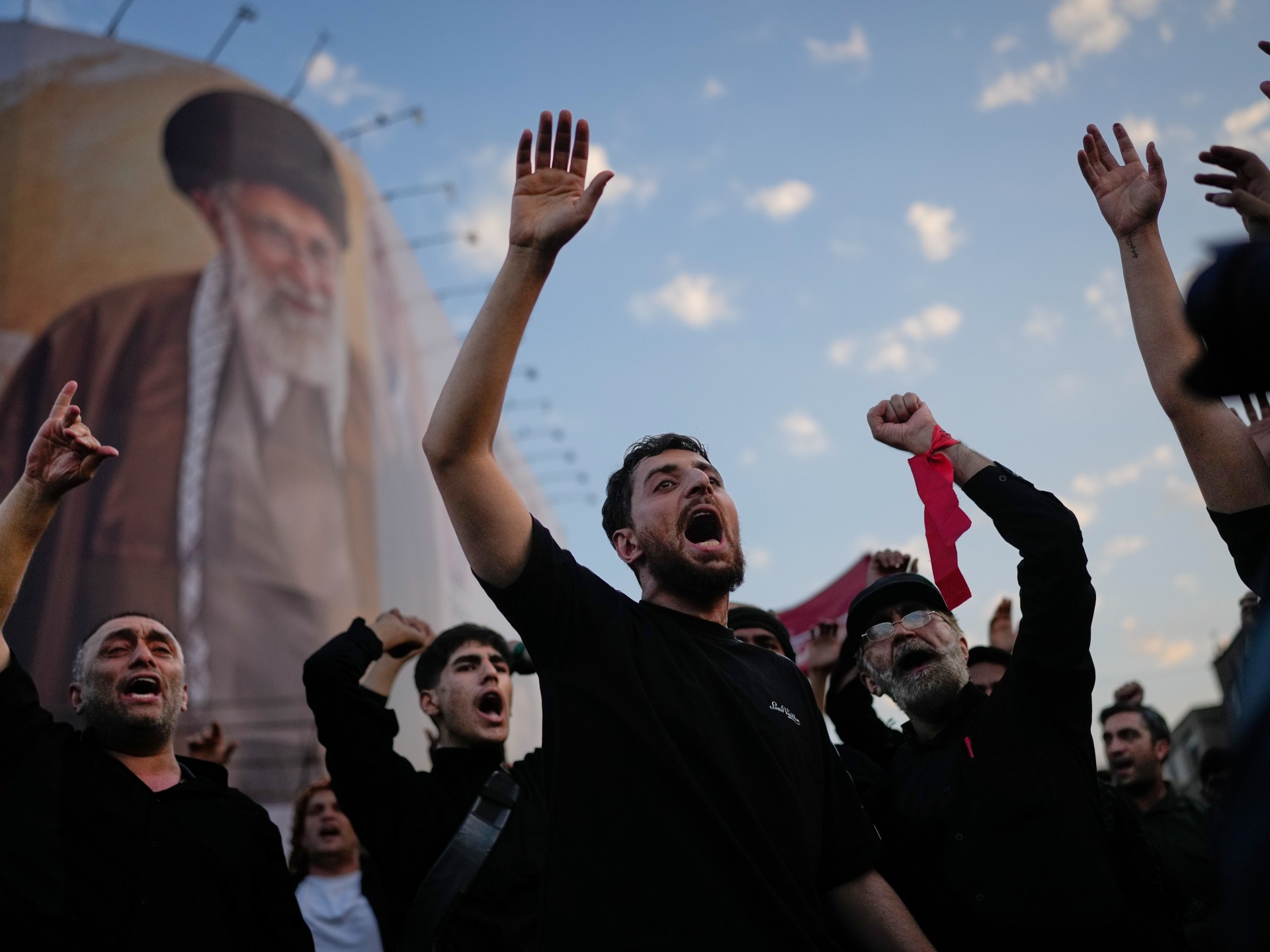
Tens of thousands gather in Tehran for the state funeral of Supreme Leader Ali Khamenei amid chants of revenge and questions about his son’s role.
The update
Tens of thousands of Iranians have gathered in Tehran for the state funeral procession of Supreme Leader Ali Khamenei. The procession began on Monday after lying in state for two days at Tehran’s Grand Mosalla complex. State media reports that the funeral is part of a weeklong series of ceremonies that will move through Qom, Iraq’s holy cities of Najaf and Karbala, and conclude with burial in Khamenei’s hometown of Mashhad on Thursday.
Why it matters
The funeral is a highly charged political moment. Authorities are attempting to project stability and unity following the death of Khamenei, who was killed in a U.S.-Israeli airstrike at the start of the war. However, the event is also a public display of the country’s internal divisions, with some exalting the leader and others despising him. The scale of the crowds and the chants of “Revenge” signal a potential escalation in regional tensions.
What to watch
Authorities expect up to 20 million people to attend ceremonies across Iran and Iraq over the coming days. A key point of interest is the absence of Khamenei’s son, Mojtaba Khamenei, who is widely considered his father’s successor. His lack of public appearance during the mourning period has fueled speculation about the succession process and the stability of the regime.
Sources
- NPR — details on the start of the procession and the weeklong ceremony schedule
- Al Jazeera — information on the route, the Grand Mosalla complex, and the expected crowd figures
- New York Times — context on the death of Khamenei and the political atmosphere surrounding the funeral
- BBC — reporting on the expected scale of attendance and the political significance of the event
How did this story land?
Choose one reaction. Choosing it again leaves it selected.