
NASA Orders ISS Crew to Shelter in SpaceX Dragon as Russian Air Leak Worsens
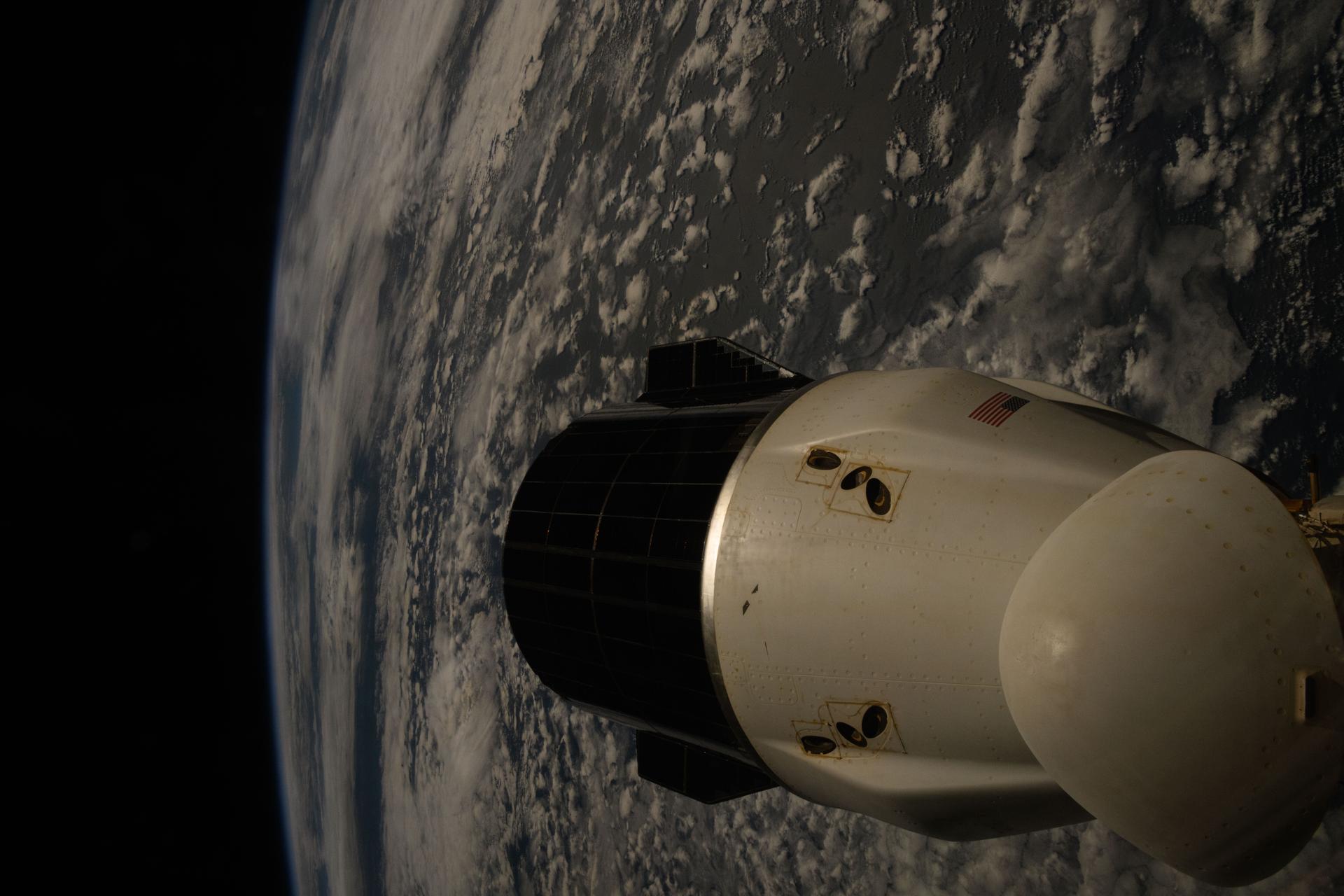
NASA ordered all astronauts aboard the International Space Station to shelter inside a docked SpaceX Crew Dragon spacecraft on June 5, 2026, as Roscosmos began repair work on a worsening air leak in the Russian Zvezda service module’s PrK transfer tunnel. The dramatic precautionary measure underscores the growing concern over a chronic structural problem that has resisted permanent fixes for seven years.
Leak Rate Doubles, Triggering Emergency Protocols
The leak, which has been monitored since 2019, recently doubled from approximately one pound of air per day to roughly two pounds per day, according to Reuters. This acceleration prompted Roscosmos to plan a more extensive repair operation, and NASA responded by ordering its astronauts into what it termed an “elevated safety posture” aboard the Crew Dragon spacecraft.
NASA spokesperson Bethany Stevens confirmed the order in a public statement: “Following new leaks, Roscosmos has elected to proceed with a more extensive repair operation on Friday, June 5. Out of an abundance of caution, NASA has directed all four of the agency’s SpaceX Crew-12 members and NASA astronaut Chris Williams to assume an elevated safety posture in the Dragon spacecraft.”
Who Was Inside Dragon — And Who Stayed Outside
The Crew-12 mission members — commander Jessica Meir, pilot Jack Hathaway, European Space Agency astronaut Sophie Adenot, and Roscosmos cosmonaut Andrey Fedyaev — were joined by NASA astronaut Chris Williams inside the Crew Dragon. Russian cosmonauts Sergey Kud-Sverchkov, the current station commander, and Sergei Mikaev remained outside the Dragon to assess and address the situation directly.
Shortly after the shelter order was issued, NASA Mission Control radioed the crew to exit the “safe haven configuration,” noting that “our Russian colleagues have elected to perform measurements only today.” Roscosmos paused structural repair efforts while additional measurements and data are being assessed, delaying the more invasive repair work initially scheduled for June 5.
A Seven-Year Problem With No Permanent Fix
The PrK transfer tunnel in the Zvezda service module has been a known source of air leaks since 2019. Over the years, Russian cosmonauts have applied temporary patches and sealants, but the underlying cracks have persisted and occasionally worsened. The Zvezda module, the first Russian contribution to the ISS, was launched and installed in July 2000 — making it more than 25 years old.
The chronic nature of the problem has frustrated engineers on both sides. While the ISS is designed to withstand minor atmospheric losses that can be compensated for by resupply missions, the unpredictable behavior of the PrK tunnel cracks has made long-term planning difficult. Each apparent fix has been followed, sometimes months or years later, by renewed leakage.
The Stakes: Why Sheltering Was Necessary
Astrophysicist Jonathan McDowell of the Harvard-Smithsonian Center for Astrophysics captured the gravity of the situation bluntly: “The worry is that a small crack could suddenly get catastrophically bigger. That’s unlikely but not impossible, and that would risk loss of the station and crew.”
NASA has officially elevated the problem to its highest category of concern in internal safety evaluations — a designation reserved for risks that could result in loss of crew or vehicle. The decision to shelter astronauts in a spacecraft capable of emergency return to Earth is standard protocol when the structural integrity of the station faces credible uncertainty.
What Comes Next
Roscosmos engineers are now analyzing the latest measurements to determine the scope of the necessary repairs. If the cracks can be sealed effectively, normal operations will resume. If the leak continues to worsen, NASA and its international partners may face difficult decisions about crew rotations, module isolation, or accelerated contingency planning.
The ISS is currently scheduled for deorbit by the end of 2030, making these final years a race between the station’s aging hardware and the scientific and diplomatic missions it continues to support. The Zvezda leak is a stark reminder that even humanity’s most remarkable engineering achievements have expiration dates.